The Lies We Believe and How They Hold Us Back
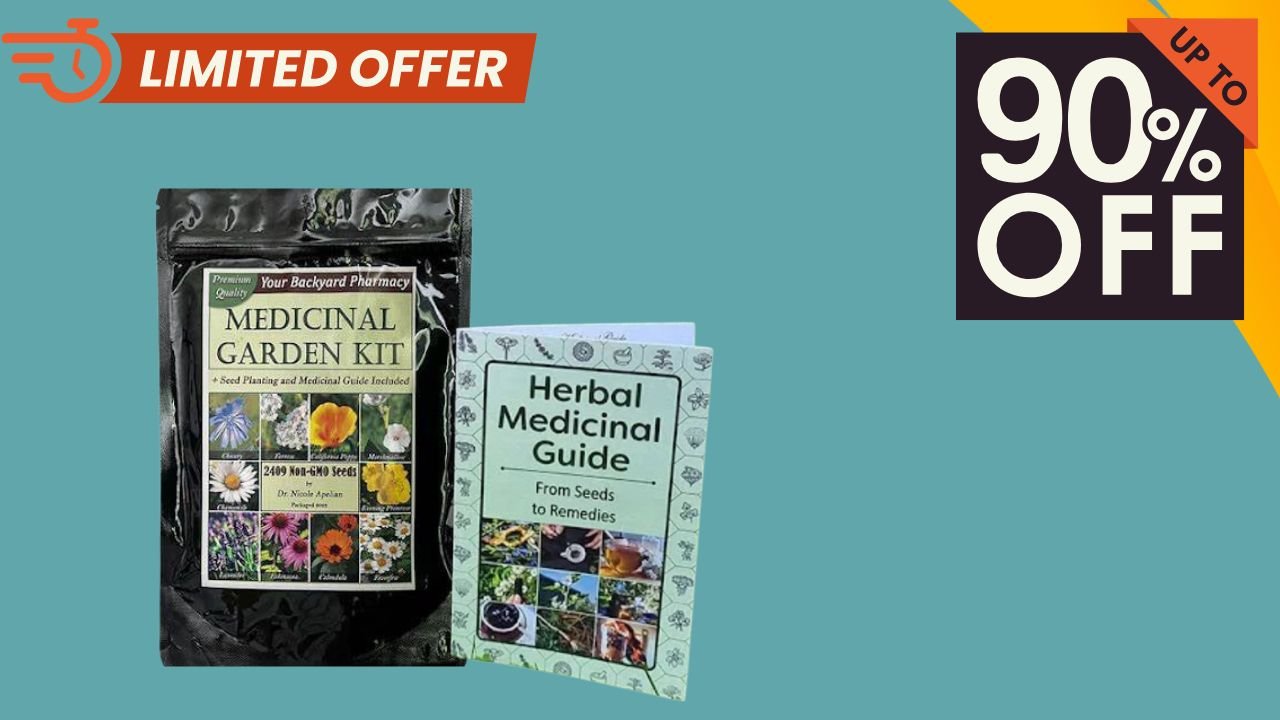
Medicinal Garden Kit Reviews and Complaints: Alright, let’s talk straight—when it comes to gardening, especially medicinal herbs, everyone’s an expert, right? You’ve read those reviews that make everything sound easy—throw some seeds in the dirt, water them once, and boom, your backyard is now a natural pharmacy. Simple, right? Well, let me tell you, those so-called “expert” tips you’re hearing? Total garbage.
Bad advice spreads like wildfire, especially when people are hungry for quick fixes, and don’t get me started on the way this stuff gets passed around in reviews. The Medicinal Garden Kit? It’s not a magic box where you plant something, wait a few hours, and poof—your health is suddenly 100% better. Not how it works. In fact, I’m here to burst the bubble and tell you exactly what’s really going on.
So, grab a chair and let’s clear this up—once and for all. Here’s what you’ve been told, and why it’s holding you back from unlocking the real power of the Medicinal Garden Kit. Ready? Let’s dive into these 5 lies.
| Feature | Details |
|---|---|
| Product Name | Medicinal Garden Kit |
| Type | DIY medicinal herb garden kit |
| Included | 10 premium, non-GMO medicinal herb seeds |
| Key Benefits | Natural remedies for pain, sleep, digestion, immunity, and more |
| Guide Included | Herbal Medicinal Guide: From Seeds to Remedies |
| Pricing | Approx. $69 (one-time payment) |
| Shipping | Available in the USA and Tier-1 countries |
| Money-Back Guarantee | 365-day money-back guarantee |
| Customer Reviews | “Highly recommended,” “Reliable,” “100% legit,” “No scam” |
| Vendor | Nicole Apelian, Ph.D. |
| USA Relevance | Perfect for preppers, families, and those seeking natural health solutions |
| Risk Factor | Requires gardening patience; results take time |
Lie #1: “Just Throw the Seeds in the Ground and Wait for Magic”
Why It’s Total BS
Oh, sure—just toss those seeds into your backyard, water them once a week, and bam, you’ve got yourself a garden full of remedies. Who needs a green thumb when you’ve got a Medicinal Garden Kit, right? Well, spoiler alert: this isn’t Harry Potter—no magic here.
What’s Missing
Look, I get it. It sounds easy. The idea of just throwing seeds in the ground and “letting nature take its course” is appealing. But here’s the thing—these plants are living, breathing beings. They need specific care. You can’t just ignore them and expect them to grow into something medicinal and powerful. It’s like thinking you can get in shape by staring at a treadmill. Doesn’t work that way.
How to Fix It
Okay, first off, know that each plant in your kit has its own needs. Not all of them are going to be happy in the same conditions. You’ve got California Poppy, which loves dry, well-drained soil, and Chamomile, which prefers a little more shade and cooler temps. The Herbal Medicinal Guide gives you the basic care instructions, but you’ll need to be a little proactive. Check the soil. Make sure they’re getting the right amount of sunlight. Water them (but don’t drown them). Be active in your gardening journey, and those plants will reward you—eventually.
Real-Life Example
When I first planted Yarrow, I thought I could just toss it in a corner and forget about it. I mean, it’s supposed to be wild, right? Well, a couple of weeks later, it wasn’t growing. I dug in a little deeper and found that Yarrow actually likes full sun, not shade. Moved it to a sunnier spot, and boom! The leaves took off. Moral of the story: be attentive. Your plants are not going to grow themselves just because you planted them.
Lie #2: “Harvest All Your Herbs After a Week”
Why It’s Total BS
Whoever told you this should probably be gardening somewhere else—maybe in the land of unicorns and fairy dust. Here’s the thing: plants take time. They need time to grow and mature. If you’re thinking that you’ll be sipping California Poppy Tea in a week’s time, think again.
What’s Missing
Let’s break it down—California Poppy, Echinacea, Yarrow—they all need time to develop. These are medicinal herbs, not instant fixes. If you expect them to start working on day one, you’re setting yourself up for disappointment. Plants are a slow burn—they don’t work at your speed. You need to build a relationship with them—nurture them, give them what they need, and let them grow on their own time.
How to Fix It
Set your expectations, and don’t get frustrated. Echinacea can take several weeks to fully mature. California Poppy might need months before it’s ready for harvest. Sure, the waiting game isn’t always fun, but the results will be worth it. The more you take care of these plants, the better they’ll become—and when they’re ready, you’ll have a garden full of healing remedies to turn to.
Real-Life Example
When I planted California Poppy, I figured I’d be brewing sleep tea in no time. Two weeks in, I had a bunch of leaves and stems, but nothing to harvest. I wanted to give up, but I stuck with it. After two months, I finally got to harvest those beautiful flowers, and the tea? A godsend for sleep! It wasn’t a one-week wonder, but it was worth the wait.
Lie #3: “You Don’t Need to Know About Companion Planting”
Why It’s Total BS
Now, if anyone ever told you that you can just plant Echinacea right next to Yarrow and everything will be fine—don’t believe them. Plants are like people—they have preferences, and some just don’t get along with others. Planting everything together without thinking about their relationships? It’s a recipe for disaster.
What’s Missing
Companion planting is real, people! Certain plants help each other out—whether that’s attracting pollinators or keeping pests at bay. For instance, Lavender can act as a pest repellent for Echinacea, and Chamomile loves being planted near Yarrow. When you don’t consider this, you’re basically setting your plants up for a long, hard life.
How to Fix It
Before you plant, think about which herbs will work well together. Research companion planting—it’s worth the extra effort. Lavender and Echinacea work great together, and Chamomile can help create a natural defense for other plants. It’s like matchmaking—plants that support each other, growing together in harmony. And trust me, your plants will appreciate it.
Real-Life Example
I planted Lavender and Echinacea next to each other, and I saw the results. Lavender attracted all the right pollinators, and Echinacea grew strong and healthy. By contrast, when I planted Chamomile next to Yarrow, the Yarrow grew faster, and the Chamomile helped keep aphids away. Nature knows what’s best—work with it.
Lie #4: “It’s All About the Seeds—The Rest Will Take Care of Itself”
Why It’s Total BS
Alright, let’s get real. Just because you have seeds doesn’t mean you’re halfway to a thriving garden. The truth is, plants are like pets. They need care—water, sunlight, occasional TLC. Throwing seeds into the ground and walking away is like buying a dog and hoping it’ll learn to fetch and sit by itself. It’s not going to happen.
What’s Missing
You need to keep an eye on your plants. They need regular watering, proper pest control, and sometimes even a little help with soil health. Without that care, those seeds will sit there doing nothing—because, surprise, gardening is work. Seeds are just the beginning.
How to Fix It
Nurture your garden. Check in on it regularly. Make sure your plants are getting the water they need, and don’t forget about their soil. If you want to see your Yarrow blossom into a healing powerhouse, you’ll need to give it the care it deserves. Trust me—it’s a rewarding process.
Real-Life Example
I thought Yarrow would grow easily because it’s “wild,” right? Well, it wasn’t until I started watering it consistently, trimming it back, and adding a little extra compost that it really started taking off. Now, it’s a staple in my natural remedy toolkit—because I put in the work.
Lie #5: “Herbal Remedies Are a Cure-All”
Why It’s Total BS
Here’s the big one—this is the piece of advice that gets everyone in trouble. You’ve probably seen the reviews that claim the Medicinal Garden Kit is a magical cure for every ailment, from insomnia to chronic pain to digestive issues. Sorry, but herbal remedies are not miracle cures, and anyone telling you otherwise is either misinformed or lying through their teeth.
What’s Missing
Yes, medicinal plants like Echinacea, Lavender, and Chamomile are powerful tools for managing certain health conditions, but they’re not magic pills. They complement your health, they don’t replace it. If you’re expecting to cure cancer or reverse serious health problems with a cup of tea, you’re setting yourself up for failure.
The Truth
Herbs are great for managing certain ailments, but they’re part of a broader health routine. Use them wisely, alongside a balanced diet, exercise, and proper medical care. They’re fantastic for supporting your health, but they’re not going to magically cure everything. Be realistic about their capabilities.
Real-Life Example
I used Chamomile for sleep—and it worked wonders! But I didn’t expect it to cure my insomnia on its own. I paired it with better sleep hygiene (turning off screens earlier, no caffeine after noon) and found a real improvement. It was a team effort, not a one-herb fix.
Stop Falling for the Lies—Start Growing Success
Alright, let’s wrap this up: Stop believing the lies that are holding you back from experiencing the true power of the Medicinal Garden Kit. This isn’t about magic, instant fixes, or hoping that nature will take care of itself. It’s about investing time, patience, and effort into building a garden that will truly serve you.
So, take the advice that actually works. Care for your plants, manage your expectations, and focus on the long-term benefits. It’s time to stop falling for the bad advice and start doing it the right way. Get the full potential out of your Medicinal Garden Kit and turn your backyard into the powerhouse of natural remedies you deserve.
FAQ
How long does it take for the plants to be ready for harvest?
Most plants take around 6-8 weeks to mature, but some might take longer. Patience is key!
Can I grow medicinal plants indoors?
Yes, many of these plants can be grown indoors with proper lighting.
Are the seeds non-GMO?
Yes, all the seeds in the Medicinal Garden Kit are premium, non-GMO.
Do I need gardening experience to use this kit?
Not at all! The Herbal Medicinal Guide is easy to follow for beginners.
Can I use these herbs as a substitute for professional medical care?
While these herbs are great for supporting health, they should complement—not replace—professional medical care.