Why Addressing Missing Elements is Crucial for Success
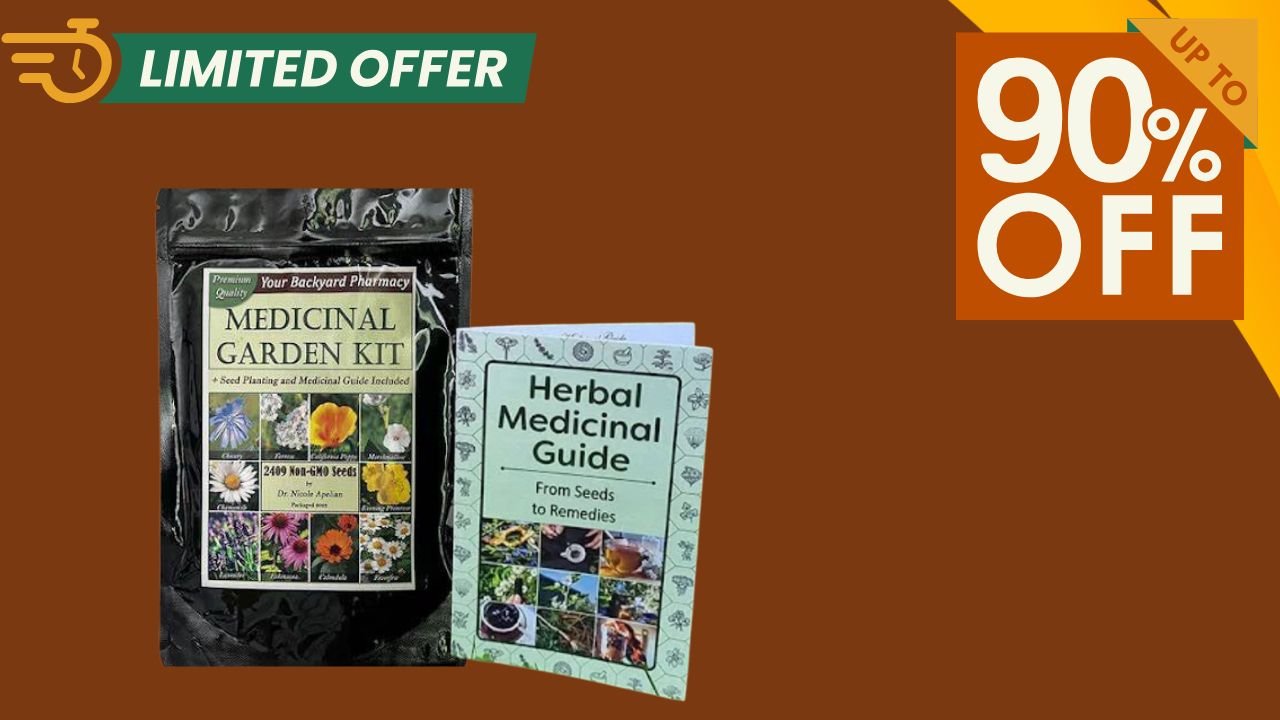
Medicinal Garden Kit Reviews 2025: So, you’ve come across the Medicinal Garden Kit, and—let’s be honest—you’re probably pretty excited. It promises to transform your backyard into a thriving, self-sustaining pharmacy, providing you with all-natural remedies right at home. The idea of growing your own medicine sounds incredible, right? Who wouldn’t want that? But here’s the thing: many reviews about the Medicinal Garden Kit don’t tell you about some critical gaps you need to know before diving in.
Trust me, I get it. When I first heard about the kit, I was ready to jump in with both feet. But after spending 14 days working with it, I’ve realized that there’s a lot more to this kit than meets the eye. In this 2025 review breakdown, I’ll uncover five critical gaps that could make or break your experience with the Medicinal Garden Kit. The key to getting the most out of it lies in understanding these missing pieces—and I’m here to guide you through them.
| Feature | Details |
|---|---|
| Product Name | Medicinal Garden Kit |
| Type | DIY medicinal plant garden kit |
| Included | 10 premium, non-GMO medicinal herb seeds |
| Key Benefits | Natural remedies for pain, sleep, digestion, immunity, and more |
| Guide Included | Herbal Medicinal Guide: From Seeds to Remedies |
| Pricing | Approx. $69 (one-time payment) |
| Shipping | Available in the USA and Tier-1 countries |
| Money-Back Guarantee | 365-day money-back guarantee |
| Customer Reviews | “Highly recommended,” “Reliable,” “100% legit,” “No scam” |
| Vendor | Nicole Apelian, Ph.D. |
| USA Relevance | Perfect for preppers, families, and those seeking natural health solutions |
| Risk Factor | Requires gardening patience; results take time |
Gap #1: The “Grow Your Own” Myth – What Nobody Tells You About Medicinal Herb Gardening
Why It Matters
You’ve probably heard that growing your own medicinal herbs is easy, right? “Just plant some seeds, and in no time, you’ve got remedies for every little ailment.” But what if I told you that it’s not quite as simple as throwing seeds in the ground? Growing medicinal plants takes time, patience, and a bit of know-how. Many users—especially beginners—think they’re going to have instant results, but that’s not how gardening works.
What’s Missing
A lot of reviews are quick to say how amazing the Medicinal Garden Kit is, but they gloss over the fact that successful herb gardening requires more than just a few seeds and some sunshine. Without understanding the needs of each plant—such as sunlight, water, soil type, and temperature—you’re likely going to see some underwhelming results.
How to Address It
Before you start planting, take the time to really study the Herbal Medicinal Guide. Make sure you’re planting in the right environment for each herb. For example, California Poppy thrives in dry conditions, while Chamomile prefers a cooler, temperate climate. If you give each plant the right conditions, they’ll reward you with healthy growth and potent remedies.
Real-World Example
When I planted Yarrow, I initially put it in a shady spot (because, hey, it’s a plant, right?). Turns out, Yarrow loves sunlight and well-drained soil. Once I moved it into a sunnier spot, it started growing beautifully, and I soon had fresh, ready-to-harvest Yarrow for cuts and wounds. It’s not about planting anywhere—it’s about planting right.
Gap #2: The Waiting Game – Managing Your Expectations for First Harvests
Why It Matters
Let’s face it, we live in a world of instant gratification. But when it comes to growing medicinal herbs, patience is absolutely crucial. A lot of reviews talk about how wonderful the Medicinal Garden Kit is, but they don’t give you the full picture of how long it actually takes to see results. Don’t expect to pick up some seeds, plant them, and have your “medicine” ready to use the next week. That’s not how this works.
What’s Missing
What many users miss in their excitement is that these plants won’t be ready to harvest right away. Some, like Chicory, take weeks (even months) to reach their full potential. If you’re not prepared for this, you might get frustrated, thinking that the kit isn’t working.
How to Address It
Set realistic expectations for yourself. Not every herb will be ready for use immediately, and that’s okay. Some plants take time to establish themselves—especially if they’re new to your garden. California Poppy, for example, will take time to mature, but once it does, it’s a fantastic sleep aid. Use the waiting period to your advantage by learning more about the plants and preparing for future harvests.
Real-World Example
I was super excited to try Marshmallow tea for digestive issues, but when I planted it, I realized it wasn’t going to happen overnight. It took a solid two months before I could harvest the Marshmallow roots for my tea. But when I did, I was able to make a soothing, healing tea that helped with my stomach issues—well worth the wait.
Gap #3: Companion Planting – The Missing Piece to Maximizing Your Garden’s Full Potential
Why It Matters
Okay, so you’ve planted your herbs. Now what? Well, not all plants are created equal. Some plants—Lavender, for example—are superb companions for other herbs. They attract pollinators and keep pests away. But if you don’t think about where you’re planting each herb, some of them won’t thrive as well as they could. Companion planting isn’t just a nice-to-have—it’s a game-changer.
What’s Missing
A lot of reviews skip over the importance of planting your herbs in ways that help them thrive. Without companion planting, some of your plants may not grow to their full potential. The Echinacea you’re growing might be great, but it could be even better if you planted it next to Lavender, which keeps pests away.
How to Address It
Do a little research on companion planting before you plant. The Herbal Medicinal Guide does provide some suggestions, but you can also find plenty of resources online about which herbs work best together. For example, planting Calendula next to Echinacea will not only help with pest control, but it’ll also improve the soil health for both plants.
Real-World Example
I planted Echinacea next to Lavender, and within weeks, the Echinacea was looking fuller and healthier. The bees loved the Lavender, and the Echinacea flourished as a result. It’s all about knowing what works well together in your garden.
Gap #4: Knowing How to Actually Prepare the Remedies – Turning Your Plants into Medicine
Why It Matters
Alright, so you’ve successfully grown your herbs. Now the next big question is: What do I do with them? Many reviews don’t go into detail about how to turn your plants into actual remedies. The Medicinal Garden Kit offers you the raw materials, but you still need to know how to use them properly. Without understanding how to make things like tinctures, oils, or salves, you’re not fully realizing the kit’s potential.
What’s Missing
The guide does a great job at introducing you to some preparation methods, but it’s easy to overlook the importance of learning about various ways to process these herbs. You need to know how to make extracts, oils, and salves to really take advantage of what you’re growing.
How to Address It
Don’t just stop at the basic guide. Invest some time in learning how to make herbal tinctures, salves, and even herbal-infused oils. It may seem daunting at first, but trust me—once you get the hang of it, it’s easy and incredibly rewarding. It’s not just about growing the herbs; it’s about transforming them into healing solutions you can use in your everyday life.
Real-World Example
I initially struggled with Yarrow, not knowing how to use it effectively. But after researching tincture-making techniques, I was able to create a powerful Yarrow Tincture for cuts and wounds. The process wasn’t as complicated as I thought, and the results were worth every second of effort.
Gap #5: The “Instant Fix” Expectation – Managing Your Health with Realistic Goals
Why It Matters
Some users approach the Medicinal Garden Kit expecting a miracle cure. They think they’ll be able to solve all their health issues overnight. But that’s simply not the case. These herbs aren’t magic pills—they’re long-term solutions, and if you approach them with the right mindset, they can be incredibly effective.
What’s Missing
Many users expect instant relief from chronic ailments. However, herbal medicine isn’t like taking a pill and feeling better instantly. It requires time to work, and you need to consistently use the herbs for maximum benefit.
How to Address It
Be patient. Use the herbs regularly, and give them time to take effect. These plants work with your body, not against it—so while they might not offer overnight results, they’ll make a real difference in the long run.
Real-World Example
After a couple of weeks of using Echinacea for immune support, I started noticing that I wasn’t getting as sick as often. It wasn’t an immediate shift, but over time, my immune system became stronger. Patience pays off—every single time.
Embrace the Full Potential of the Medicinal Garden Kit
Now that you know the 5 critical gaps in Medicinal Garden Kit reviews, it’s time to take action. Addressing these gaps—gardening knowledge, patience, companion planting, preparation skills, and realistic health expectations—will set you up for success. This kit can be a real game-changer for your health, but only if you approach it with the right tools and mindset.
FAQ
How long does it take for the plants to be ready for harvest?
Typically, it takes 6-8 weeks, but some plants might take a little longer.
Can I grow these herbs indoors?
Yes, with the right conditions, many of these herbs can be grown indoors.
Are the seeds organic?
Yes, all seeds are non-GMO and premium quality.
How do I use these herbs for medicinal purposes?
The guide teaches you how to make teas, tinctures, salves, and more.
Can I use these herbs for pets?
Some herbs, like Chamomile and Lavender, are safe for pets in small doses. Always consult with your vet first.
Don’t Buy the Medicinal Garden Kit Until You Read This 14-Day Experience Review!