Bad Advice Spreads Like a Virus—Here’s How It’s Holding You Back
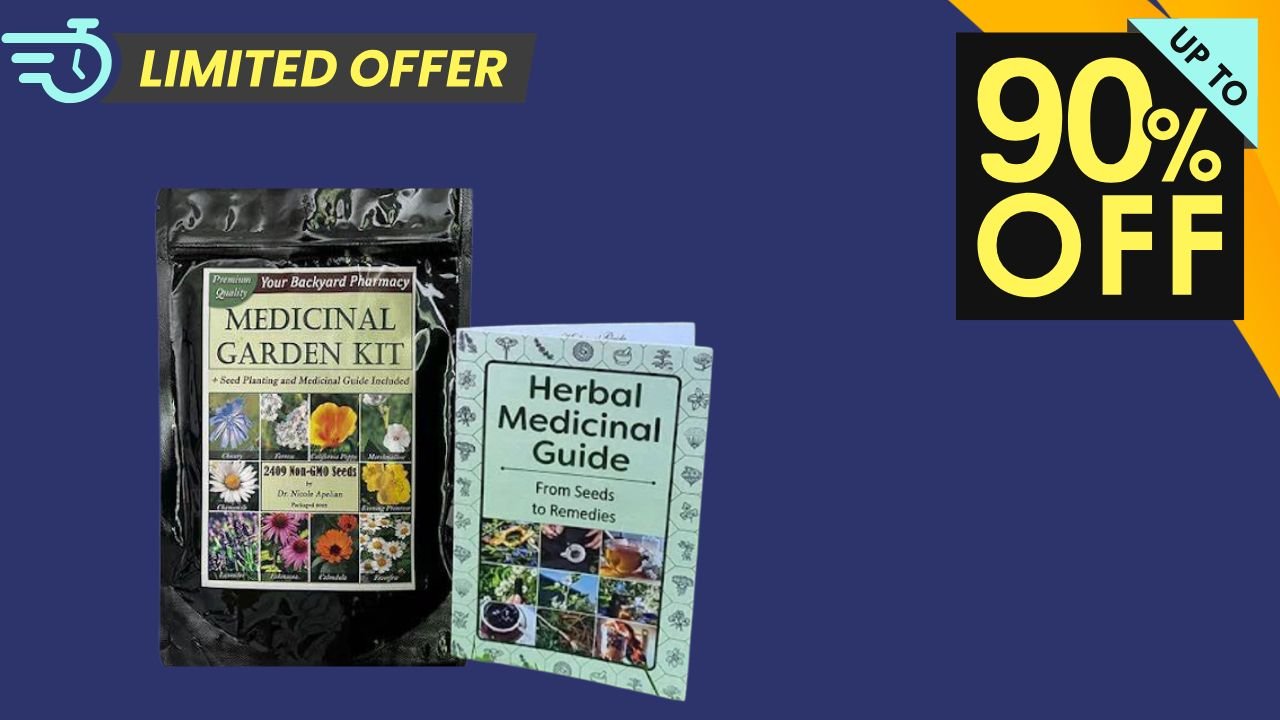
Medicinal Garden Kit Reviews: You know what sucks? Bad advice. It’s like a weed that grows in your garden of self-improvement—always creeping up, never getting pruned. You’ve seen it—someone gives you a piece of advice that sounds too good to be true, and bam—you’re hooked. Unfortunately, bad advice spreads like wildfire, especially when it comes to something as new and exciting as the Medicinal Garden Kit. But here’s the thing: if you’re following advice from people who don’t know their Yarrow from their elbow, you’re doing it all wrong.
We all want that miracle solution, right? The one that promises effortless health, instant remedies, and a backyard that doubles as a pharmacy. But when people spread misinformation about the Medicinal Garden Kit, it holds you back from reaching its full potential. That’s what I’m here for—to debunk the myths, cut through the nonsense, and tell you what really works.
So, buckle up, because in the next few sections, I’m going to serve you some of the worst advice you’ve probably heard about the Medicinal Garden Kit, break it down, and show you the truth that’ll actually help you succeed. Spoiler alert: it’s not as hard as people make it out to be. Let’s dive in.
| Feature | Details |
|---|---|
| Product Name | Medicinal Garden Kit |
| Type | DIY medicinal herb garden kit |
| Included | 10 premium, non-GMO medicinal herb seeds |
| Key Benefits | Natural remedies for pain, sleep, digestion, immunity, and more |
| Guide Included | Herbal Medicinal Guide: From Seeds to Remedies |
| Pricing | Approx. $69 (one-time payment) |
| Shipping | Available in the USA and Tier-1 countries |
| Money-Back Guarantee | 365-day money-back guarantee |
| Customer Reviews | “Highly recommended,” “Reliable,” “100% legit,” “No scam” |
| Vendor | Nicole Apelian, Ph.D. |
| USA Relevance | Perfect for preppers, families, and those seeking natural health solutions |
| Risk Factor | Requires gardening patience; results take time |
Advice #1: “Just Throw the Seeds in the Ground and Wait”
Why It’s Total BS
Oh, sure. You know, you could just throw those premium, non-GMO seeds into the dirt and hope something magical happens, right? Let’s be real—this isn’t Field of Dreams, and your backyard isn’t going to spontaneously grow a medicine cabinet with zero effort. If you’ve heard this gem of advice, let me stop you right there. Your seeds will not grow themselves, and the plants won’t magically become potent herbal remedies overnight. Sorry, folks—no magic beans here.
What’s Missing
This advice makes gardening sound like a walk in the park. “Just toss ‘em in there, and they’ll grow!” If only it were that easy. Each plant in the Medicinal Garden Kit has its own needs. Some plants need specific soil types, others need particular sunlight, and don’t get me started on water requirements. You’re not growing just anything—these are medicinal plants. You need to give them the proper care if you expect them to thrive.
The Truth
The Herbal Medicinal Guide that comes with the kit is actually your best friend here. Use it. Don’t just plant and pray. Research the ideal growing conditions for each plant. For instance, California Poppy loves dry, well-drained soil, while Chamomile prefers cooler temperatures. Know your plants, and you’ll see results. It’s not magic—it’s gardening.
Advice #2: “You Can Harvest Everything After a Week”
Why It’s Total BS
Look, I get it. When you think about growing your own medicine, you imagine plucking fresh herbs from your garden, mixing up some potions, and feeling like a herbal wizard in no time. But here’s the truth: herbs don’t just sprout and turn into remedies on demand. If someone told you that you could harvest all your plants after a week, well, that’s pure fantasy.
What’s Missing
Growing medicinal plants takes time—period. Some herbs take months to mature, and you won’t see immediate results, no matter how much you want to. This expectation of instant gratification is where people fall short and end up disappointed. Plants like Yarrow or Echinacea won’t be ready for harvest within the first 7 days—some take 2 months, maybe more. And guess what? That’s totally normal.
The Truth
Patience. It’s a virtue, my friend. And when it comes to the Medicinal Garden Kit, it’s a necessity. Plants like California Poppy will need a few weeks before they’re mature enough for use. So, while the first week is all about care and planting, the real rewards come later. Don’t rush the process. Nature takes its time—and so should you.
Advice #3: “You Don’t Need to Know Anything About Companion Planting”
Why It’s Total BS
Let’s talk about this. I’ve heard it more times than I care to admit: “You can just plant whatever, and it’ll all be fine.” Nope. That’s like saying you can throw a bunch of ingredients in a pot and magically make a gourmet meal. Gardening is about balance—especially with medicinal plants. Some plants like Echinacea thrive next to Lavender, while others like Chamomile are more independent. If you don’t consider the needs of each plant, you’ll end up with sad, unhealthy herbs.
What’s Missing
Companion planting is a real thing. It’s the art of placing plants next to each other that benefit from each other’s presence. Plants can help each other with pollination, pest control, and overall health. By ignoring this, you’re essentially robbing your garden of its full potential. You could be letting certain plants struggle when they could be thriving next to others.
The Truth
It’s not just about slapping plants in the dirt. Do a little homework. For example, Calendula attracts bees, which are great for pollinating other herbs like Echinacea. If you plant them together, you’ll help both plants flourish. So, take the time to think about what grows well with what. It’ll save you headaches in the long run—and your garden will thank you for it.
Advice #4: “You Don’t Need to Do Anything After You’ve Planted the Seeds”
Why It’s Total BS
I hate to break it to you, but once those seeds are in the ground, your work isn’t done. If you think you can just plant, water once, and walk away, you’re setting yourself up for failure. Plants need constant attention—especially medicinal plants that you plan to turn into remedies. If you neglect them, you’ll find yourself with a garden full of underwhelming, stunted herbs.
What’s Missing
Growing medicinal plants takes regular care—watering, pruning, checking for pests, and making sure the soil stays healthy. People often overlook the importance of maintenance. This isn’t just a one-time deal. You need to keep track of your garden’s progress and make adjustments when necessary. If your Yarrow isn’t growing well, maybe it needs more sunlight, or your California Poppy needs more drainage. It’s not a “plant it and forget it” situation.
The Truth
Check on your plants regularly. Water them, feed them, and prune when necessary. You can’t just plant seeds and expect everything to work perfectly. Treat your garden like the living, breathing thing it is. The more attention you give it, the better the results you’ll get.
Advice #5: “Herbal Remedies Are a Cure-All”
Why It’s Total BS
If you’ve heard this one, run—don’t walk—away. No, medicinal herbs aren’t some magical cure for all your ailments. While they can certainly help with pain, sleep, digestive issues, and more, they’re not going to cure cancer or save you from every health issue. Don’t let people feed you this nonsense.
What’s Missing
Herbs can certainly improve your health and well-being, but they’re not miracle workers. Just like you wouldn’t rely on one drug to cure every disease, don’t rely on one plant to fix every health problem. You need a balanced approach. Herbs should be part of a holistic health routine—not the sole solution.
The Truth
Think of these plants as part of your overall health toolkit. They’re excellent for certain issues—like Chamomile for sleep and Echinacea for immunity—but they’re not a cure for everything. Manage your expectations and treat them as valuable natural tools, not some all-powerful, one-size-fits-all solution.
Stop Following Bad Advice—And Start Growing Health the Right Way
There you have it—the worst advice about the Medicinal Garden Kit debunked, once and for all. If you’ve fallen for any of these myths, it’s time to throw them out and start approaching your garden with a little more knowledge and a lot more patience.
Look, gardening isn’t instant. It’s not about hoping for results; it’s about putting in the work and learning along the way. So, take the advice that works, ditch the nonsense, and turn your backyard into the herbal pharmacy it was always meant to be.
FAQ
How long does it take for the plants to grow?
It varies! Most of the herbs will take around 6-8 weeks to grow, but some might take longer. Patience is key!
Can I grow these herbs indoors?
Yes, many of these plants can thrive indoors with proper lighting.
Are the seeds non-GMO?
Absolutely! The seeds in the Medicinal Garden Kit are premium, non-GMO.
Do I need to know anything about gardening to start?
Not much! The Herbal Medicinal Guide provides everything you need to know.
Are herbal remedies a cure-all for health problems?
No, herbs are amazing tools but not miracle cures. They’re great for supporting health, but they’re not a replacement for professional medical care.
Medicinal Garden Kit Reviews 2025: 5 Critical Gaps You Need to Know Before You Buy!